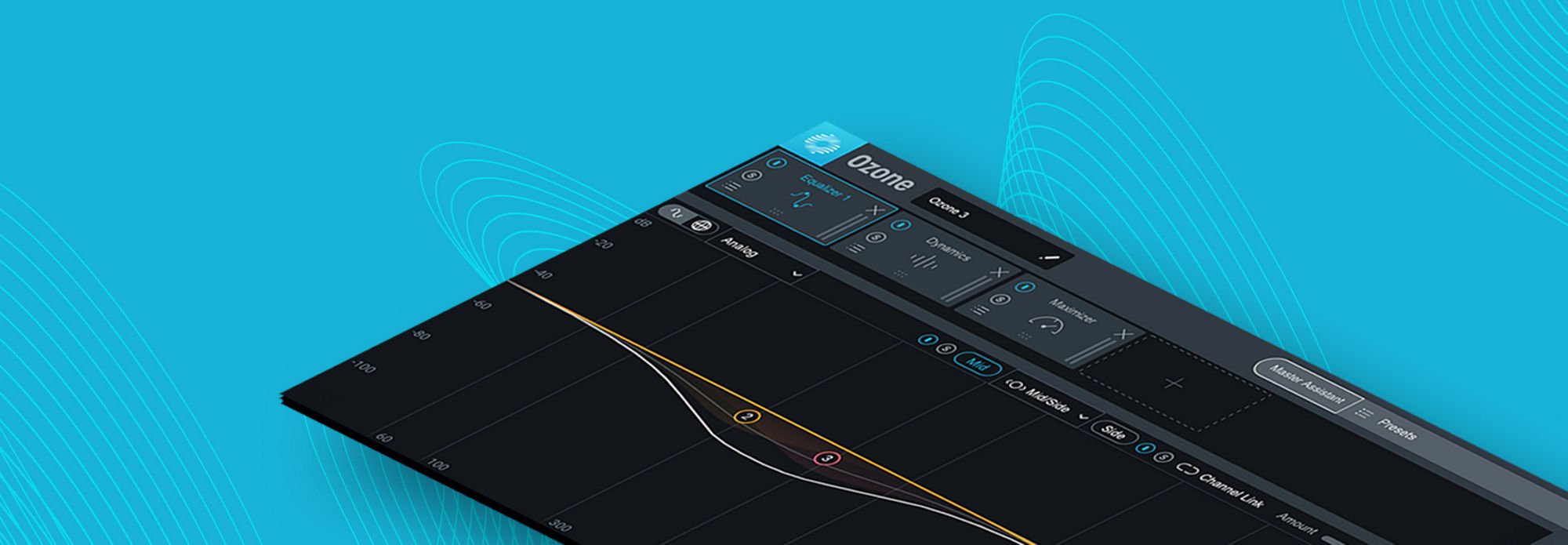




Mid/side processing is an undeniably powerful technique, and one which gives the mastering engineer a wide range of sonic sculpting tools not available with traditional stereo processing. However, as we all learned from Spiderman’s Uncle Ben, “with great power comes great responsibility.”
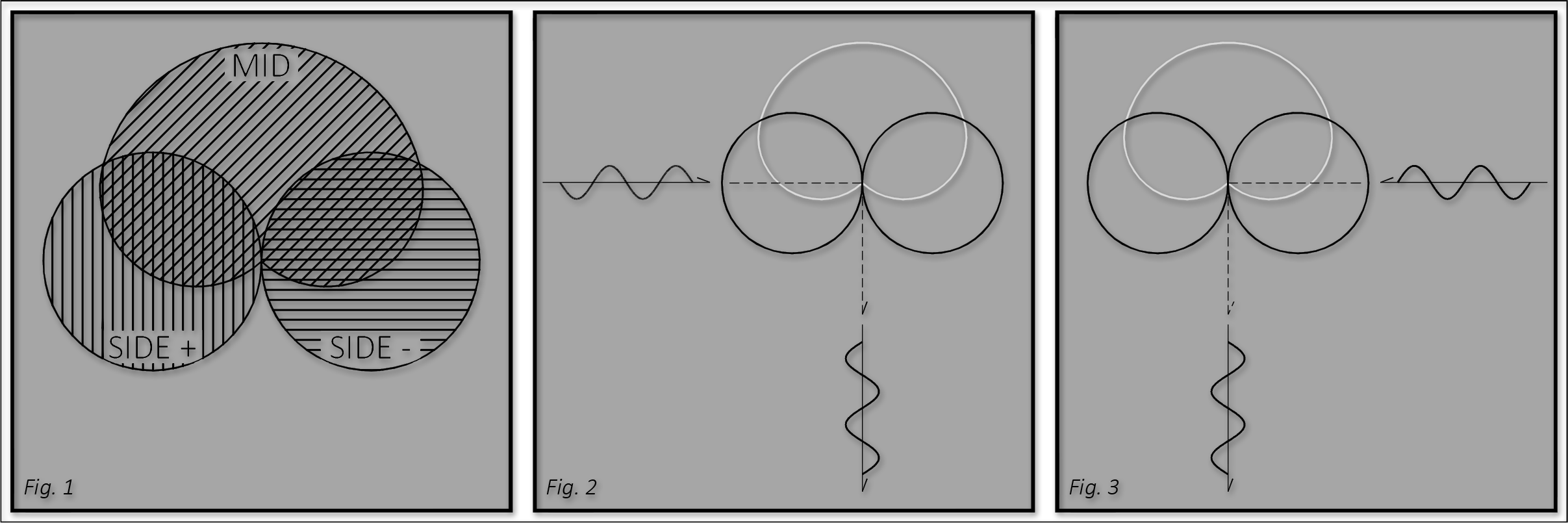
We’ve talked about mid/side before, and if you’re new to the subject, I strongly recommend you first check out these three articles. In this piece we’re going to take a deep dive into how exactly the left/right-to-mid/side transform works, how the phase relationship between mid and side effects stereo placement, and some techniques to effectively employ mid/side equalization (with accompanying audio examples), so put on your scuba gear and let’s go!
Continue reading on iZotope Learn.
When it recently came time for me to choose a new music streaming service, I decided to go full nerd and compiled a spreadsheet that scores each service on twenty-five criteria. Then I added user-adjustable weighting for each criterion so that the overall scores reflect what’s important – or not – for different people. Of course, no spreadsheet is complete without charts to help visualize everything. My wife knew it was bad when she got home from work and I was excitedly ranting about a spreadsheet.
But here’s the good news: now that it’s done you can use it to help choose the music streaming service that’s best for you, and if you’re just curious about my take and how I got there I’ll share that too.